Written by Zorana Kojic, Senior Youth & Family Counsellor
I am grateful to be working at an organization that creates opportunity to continue my learning and understanding of reconciliation, the Indigenous Wellness Navigators are very skilled in supporting Indigenous young people and families. The Indigenous Initiatives Centre has many resources for staff to learn and reflect about good practices. The diversity of the Indigenous young people we serve is extensive and requires consultation to make sure we are being culturally responsive to their specific needs. I feel like I am on a continuous learning journey of understanding the impacts of residential school, day school, sixties scoop, murdered and missing Indigenous women, two spirit people and boys, and inequalities of resources for indigenous peoples living on and off the nation.
Working closely with youth in care has shaped the way I understand connection, belonging, and identity. Many of the young people we support are navigating some of the most vulnerable stages of their lives, facing challenges like bullying, the need for acceptance, and the search for validation. On top of that, they are often separated from their families and communities. While still expected to follow rules and expectations set by adults who are not their primary caregivers. This can feel confusing, overwhelming, and at times deeply frustrating.
Despite our best efforts to create safe and supportive environments, spaces where youth can build coping skills and feel heard, there is often a strong and persistent longing for their families, culture, and communities.
For Indigenous youth in care, these experiences are often layered with additional challenges. Many are navigating intergenerational trauma, systemic barriers, and ongoing grief.
- Through my studies and practice, I’ve come to better understand how trauma can extend across generations. Research shows that healing from trauma can take up to five or more generations. This perspective is important, because it reminds us that progress may be slow, but it is still meaningful.
- Understanding intergenerational trauma, sometimes referred to as historical trauma, helps us approach this work with more empathy and patience. It also reinforces the importance of culturally grounded, respectful approaches to healing. I’ve learned that Indigenous healing practices, such as sharing and healing circles, create spaces rooted in equality, respect, and active listening, which allow everyone to share the stories, and connect more deeply.
Taking the time to learn, acknowledge, and participate in Indigenous-led initiatives is one small but meaningful way we can contribute to that process.
The month of May offered several important opportunities to do just that.
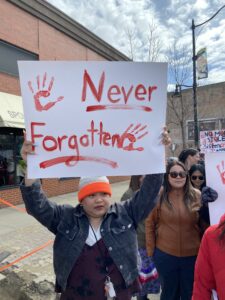
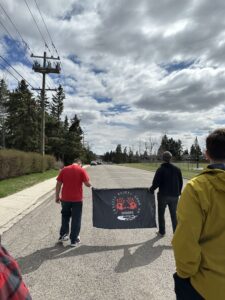
May 5 was Red Dress Day- inspired by Jaime Black and her REDress Project, raises awareness for Missing and Murdered Indigenous Women, Girls, and Two-Spirit people (MMIWG2S). The red dresses displayed in communities serve as powerful reminders of those who are missing and the need for continued advocacy and justice.