
My journey with mental illness: Mental health support is life-changing

Mental health is a lifelong journey. Our mental health can change throughout our lives, and we may find ourselves with unexpected symptoms of mental illness. Living with mental illness can be isolating and make it hard to find help to manage the symptoms. There are many resources for mental health help but finding the right type of support or treatment can also be difficult.
How to change your own mind

Reflective practice is a cornerstone of social work practice. In short, reflective practice is an iterative process whereby the individual reflects on their work (and the work of their team), critically evaluates it (the good, the bad, and the ugly), and incorporates the subsequent learnings into their future work.
Driving Change Together

It’s National Addictions Awareness Week. This year’s theme, Driving Change Together, encourages everyone to reassess the way they think about substance use. As we acknowledge how addiction impacts families and communities, let’s not forget the experience of the client. Everyone deserves a future free from addiction.
The Power of Peer Mentorship

Peer mentorship is grounded in the belief that hope and support is the starting point for enhancing wellbeing. Although everyone’s experience and journey is unique, our Peer Mentors at Wood’s Homes cultivate an environment of inclusion and belonging, inspire hope, and demonstrate the potential for success while relating to the challenges and stigma associated with mental illness and/or substance abuse.
A Visit to Capitol Hill

Recently, I paid my first visit to Capitol Hill, a program that works with children under 12. This home in the community is a short-term safe refuge for these little ones who are behaviourally at-risk and have broken down or are at risk of breaking down their current caregiver placements.
Acute@Home: A Year at Sea

The past year has brought tremendous obstacles and challenges for all us. Working within the Emergency department of the Alberta Children’s Hospital has been no exception.
As we entered the new world of COVID-19 in March 2020, we, as a community, did so with caution and uncertainty. This was evident in the Emergency department; the hustle and bustle we once knew became a solemn void. We witnessed a collective apprehension towards attending the hospital.
We need others to help us see what we don’t see

Threats to mental health are not experienced equally among or between populations. We have seen that the health and mental health consequences of COVID-19 has been more pronounced in underserved and vulnerable groups, and that socio-economic impacts have disproportionately affected the poor, displaced and marginalized. And yet, all evidence to the contrary, we continue to carry our vision of peace – mental health services that promote and restore the well-being of all people, especially those who are farthest behind.
When your well is empty: Empathy in the time of COVID-19
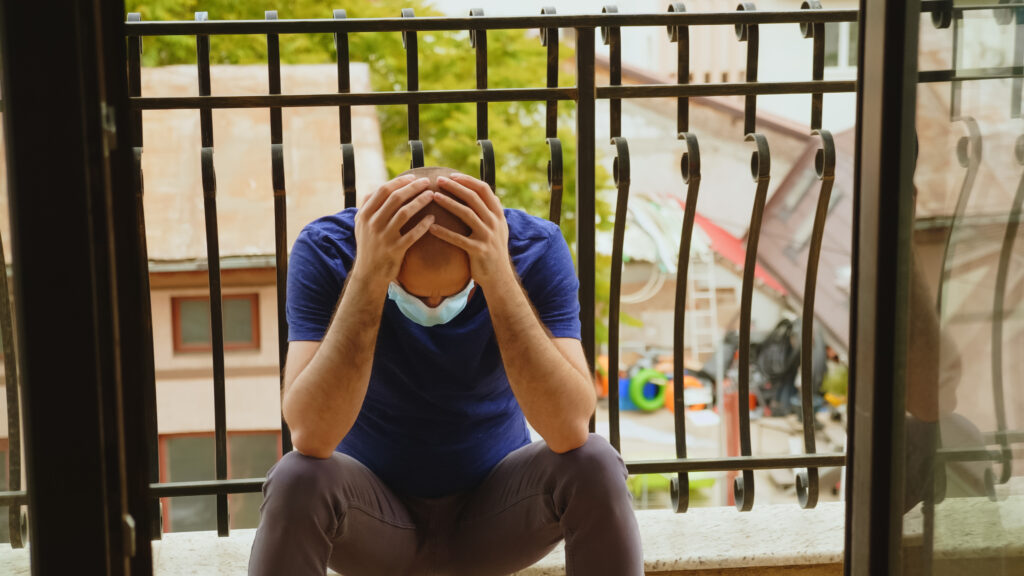
Having an empathetic heart can be both a blessing and a curse in this line of work. The blessings come with the passion that brings you back to work, even after hard days. Hard days can come in the form of kids keeping you at bay as their own hearts are too sore to let you in. Ultimately, the good typically outweighs the curses and you keep striving forward, even during the really hard times.
Stepping forward to help: Staff experiences from Wood’s Homes Pandemic Team

Throughout the COVID-19 pandemic, social service organizations – such as Wood’s Homes – have been challenged to keep pace with ever-evolving public health policy and protocols, while also maintaining focus on the effective delivery of our mental health services. Over the last year, Wood’s Homes has been shoulder-to-shoulder with other children’s mental health congregate care programs and has been faced with positive COVID-19 cases in our live-in programs.
The last people standing

While we all deal with challenges that may affect our ability to keep up healthy habits or avoid stress, the big question is: What happens to those living within the most vulnerable sectors when you add even more barriers to safety? When you’re already on the cusp of an inability to cope with your trauma, you may turn to negative maladaptive coping strategies and the use of substances to help to numb your pain.